
Digital Strategy Design - ASPF
Engagement
The Australian Suicide Prevention Foundation engaged me to review their digital platforms and develop a strategic proposal for improving how their work reaches people at risk of suicide and the communities supporting them.
The engagement focused on translating complex suicide-prevention research and lived-experience insights into clearer digital systems, messaging and product design that could better support critical intervention.
I was invited to provide a quote. The quote included: cost, payment terms, timeline and the following deliverables:
- Initial Consultation
- Heuristic Evaluation
- User Interface Review (App & Website)
- User Experience Review (App & Website)
- Branding Review (App & Website)
- Report & Presentation
- Prioritised Action Plan
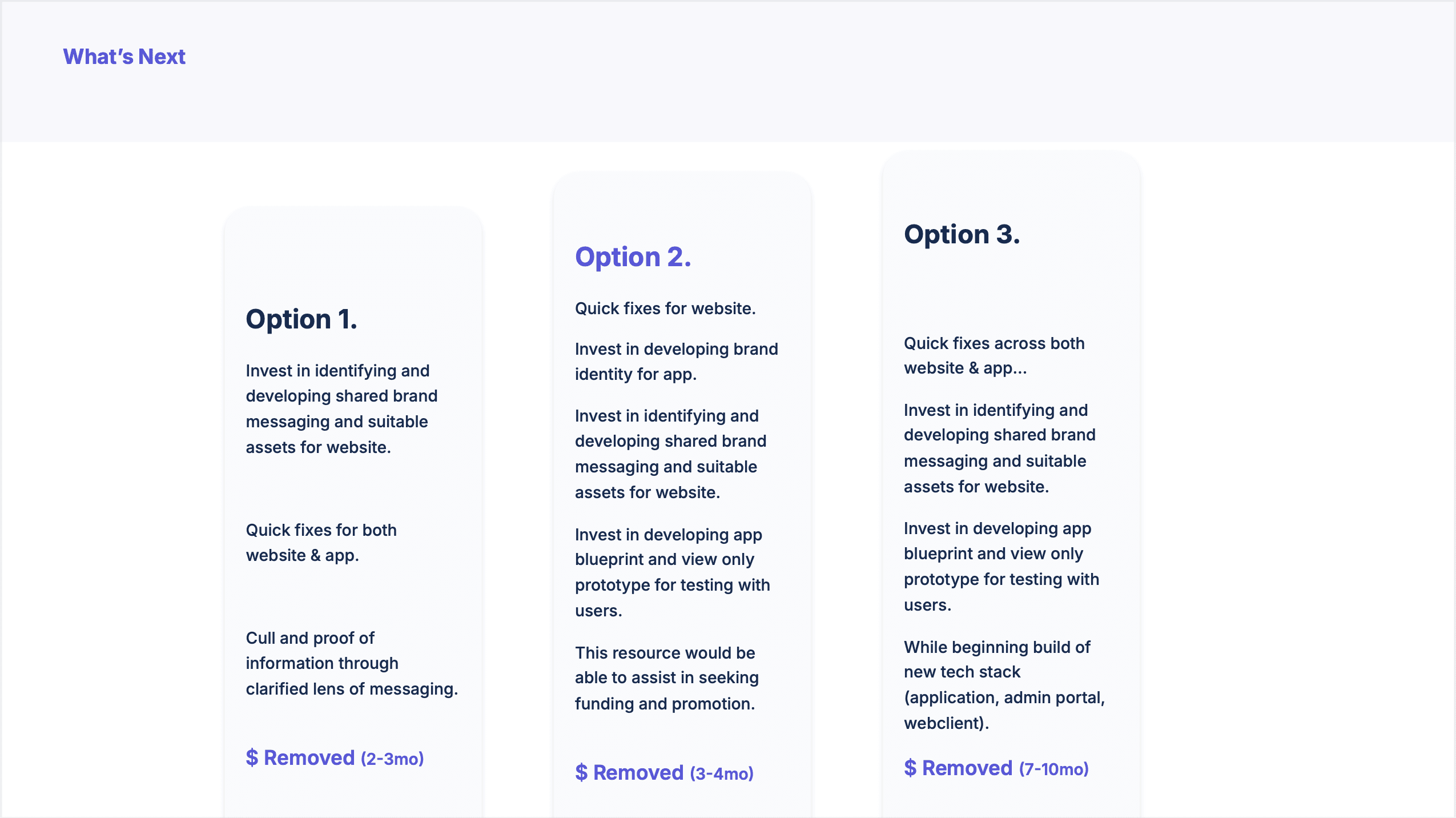
- Scoped Cost & Timeline for 3 “next step” Options
Research & Approach
My quote was accepted and I commenced work.
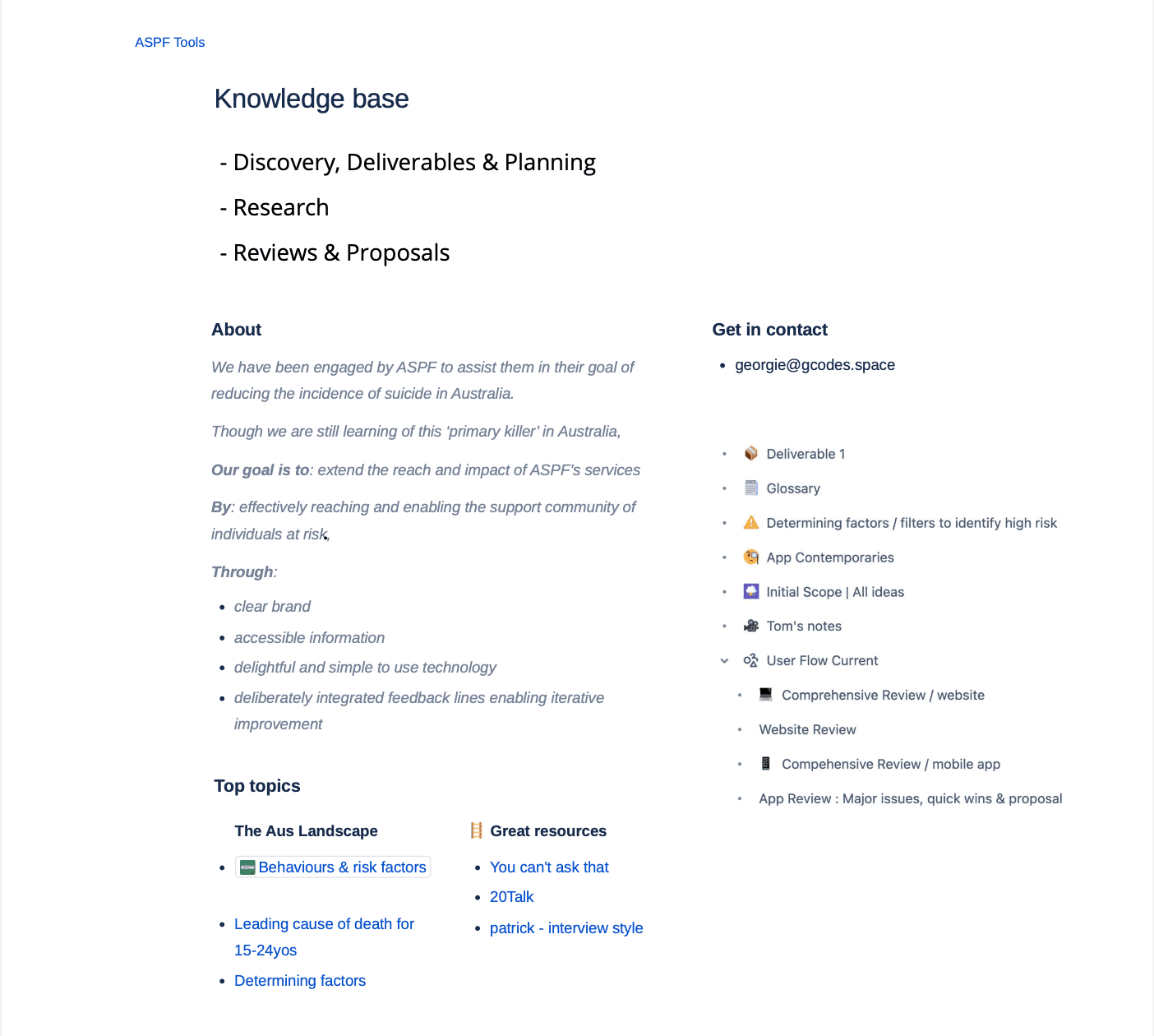
Using Atlasian’s integrated platforms, I set up a Knowledge Base for resources, the overarching goal, and outcomes. Beyond this creating a structured environment for my delivery of the proposal and review phase, it was deliberately designed to enable current stakeholders (in this case, an independent project manager) and future team members to access and understand all elements of the process.
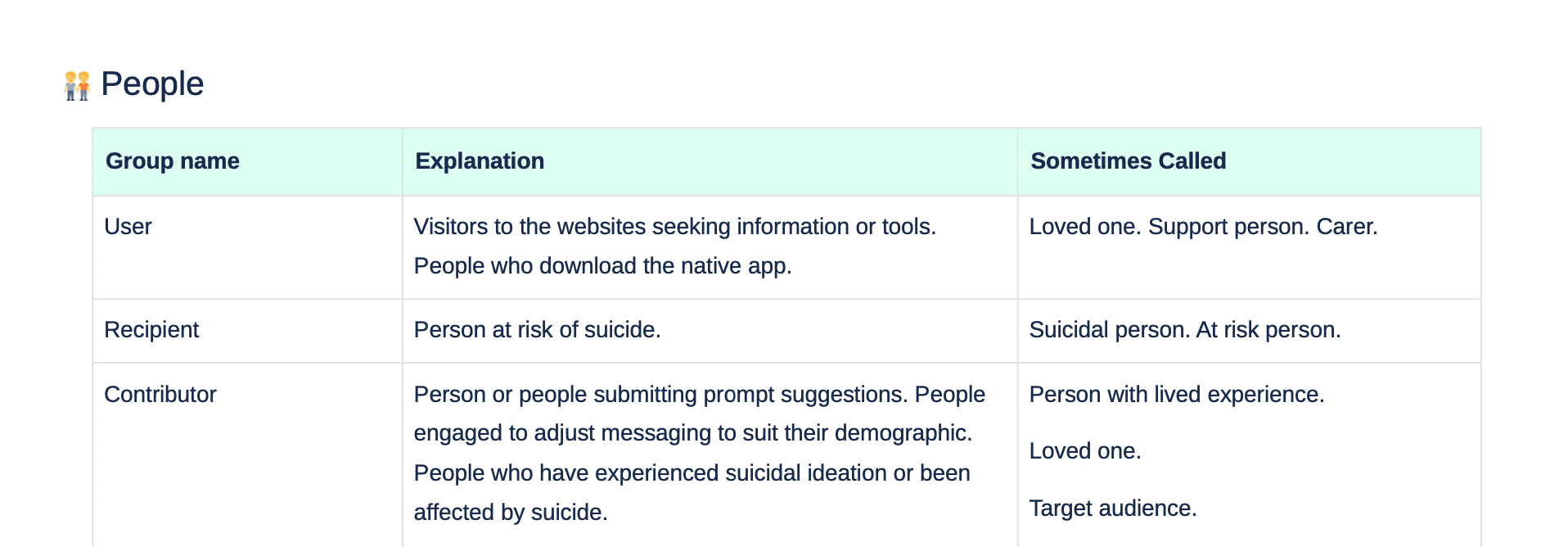
The majority of ASPF board members were medical professionals with varying technological literacy. One of the most pivotal tools in delivering this project with clarity was the glossary I created in the initial set up. It outlined terms used in reference to platforms (present and proposed) and terms used in reference to people groups.
The research was essential and also a very heavy topic to immerse one’s brain and heart in for a month. As someone with lived experience, it was challenging. I have no doubt my passion around the topic and life experience added value to the outcome ultimately.
To understand where digital tools could make the greatest difference, I examined the suicide prevention landscape from several perspectives:
- national suicide statistics and demographic patterns
- risk factors and lived-experience insights
- evidence-based approaches to intervention
- existing mental-health and wellbeing apps.
This research helped identify gaps between available knowledge and the ways individuals and communities currently access support.
Review & Proposal process
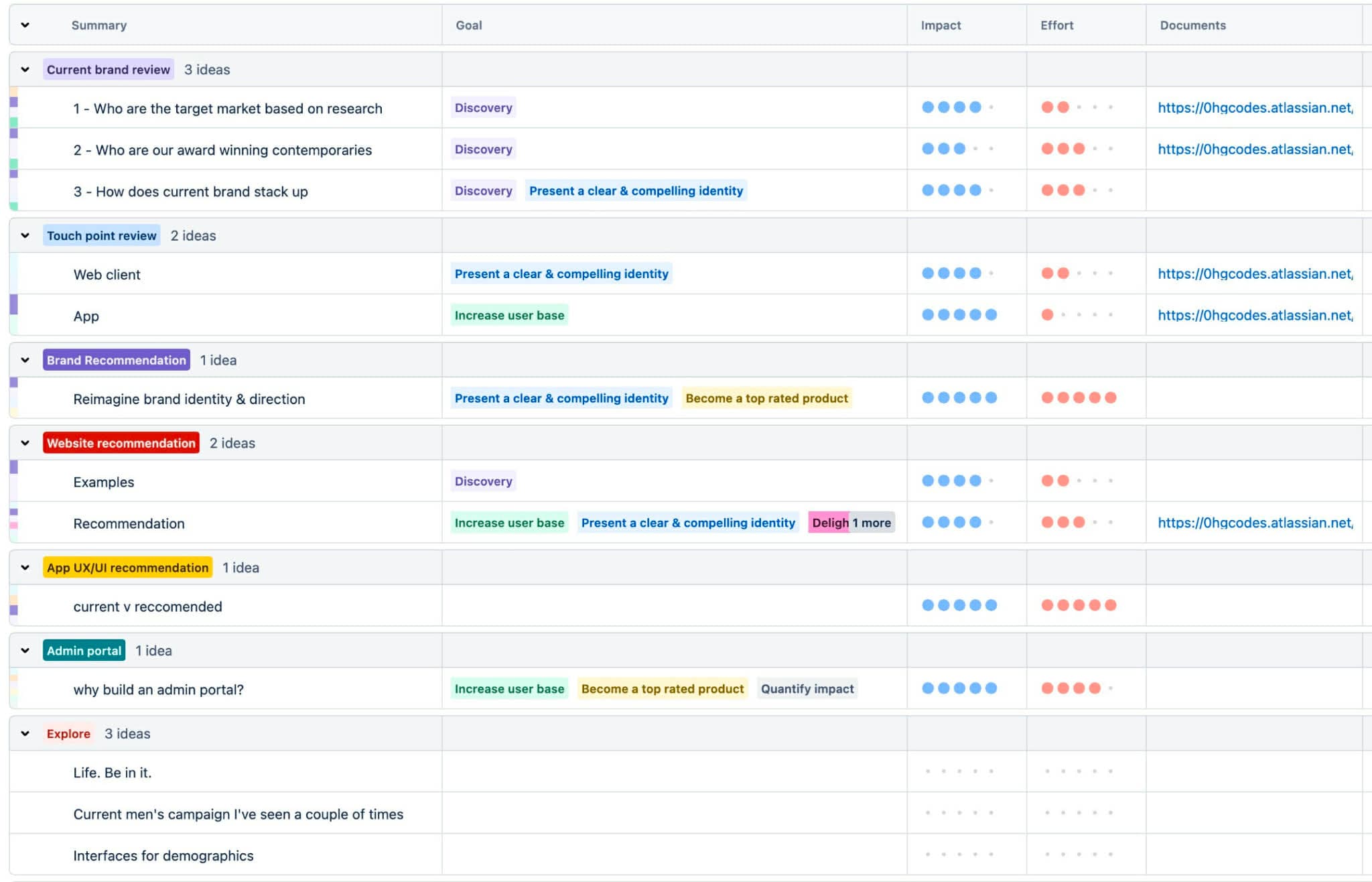
I conducted a comprehensive evaluation of the foundation’s website and mobile application, analysing information architecture, user journeys, messaging and interface design to identify barriers to engagement.
Both reports included detailed feedback on:
- information architecture
- identified primary and secondary user journey
- navigation
- user experience
- user interface
- brand application and effectiveness
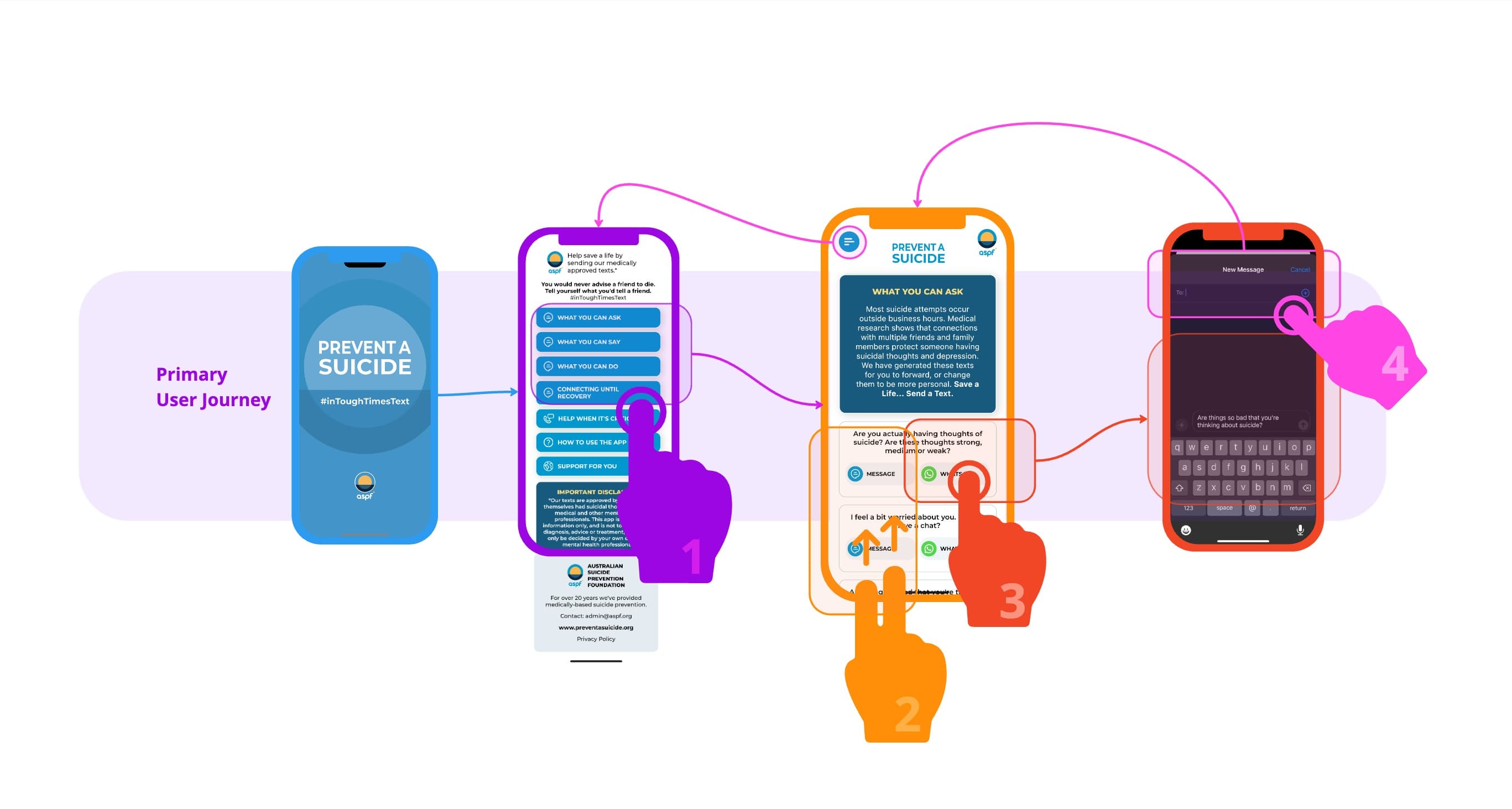
The reviews also included screen-by-screen feedback on two key aspects - Purpose and Content.
Each aspect had screen-specific:
- notes
- issues
- feedback on “voice/messaging” (where required).
I provided links to statistics which supported feedback where relevant.
This 28 page report was the foundation of my final Review and Proposal presentation and was made available to the board and advisors in conjunction with the presentation.
Presentation of Review and Proposal
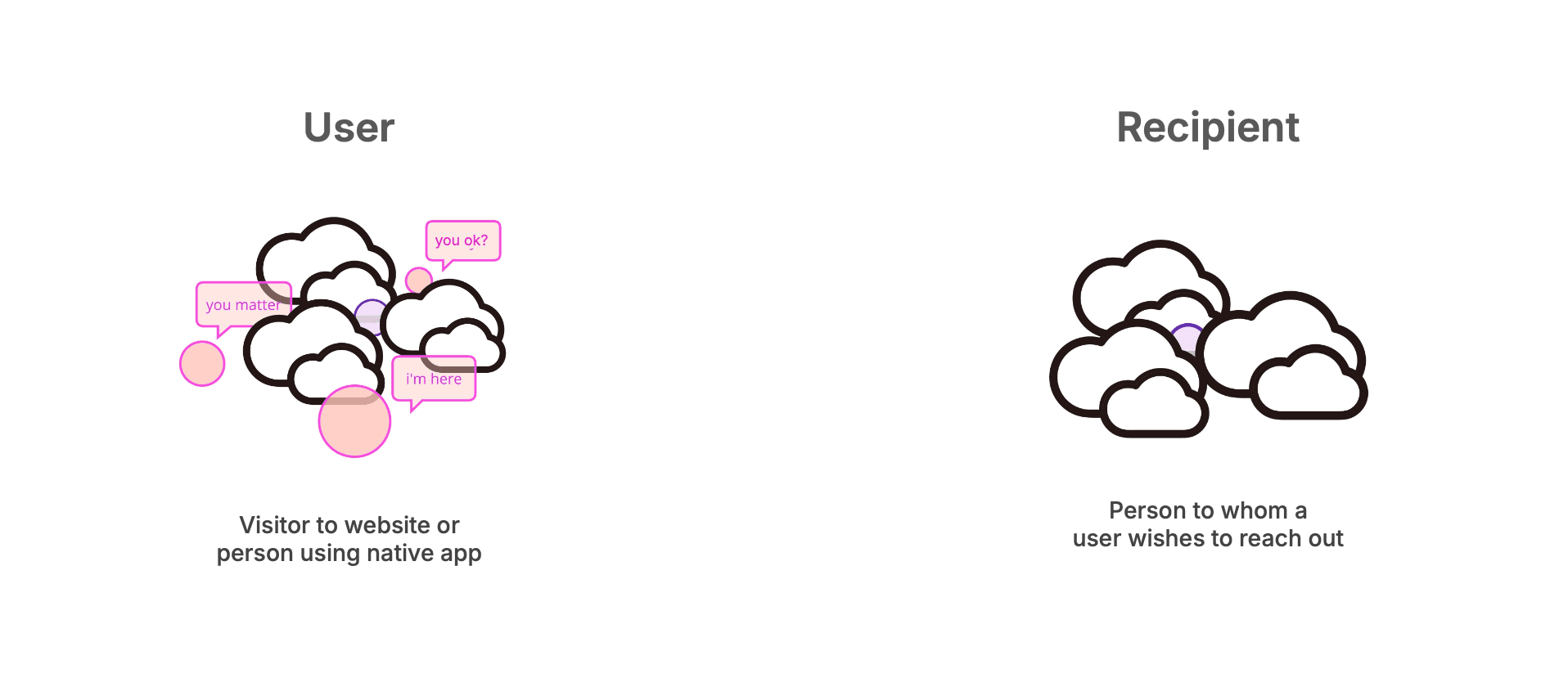
After thanking the team for engaging me, the first image I shared was designed to clearly delineate between two essential terms representing the main people groups we would be discussing. This enabled the audience to engage without confusion.
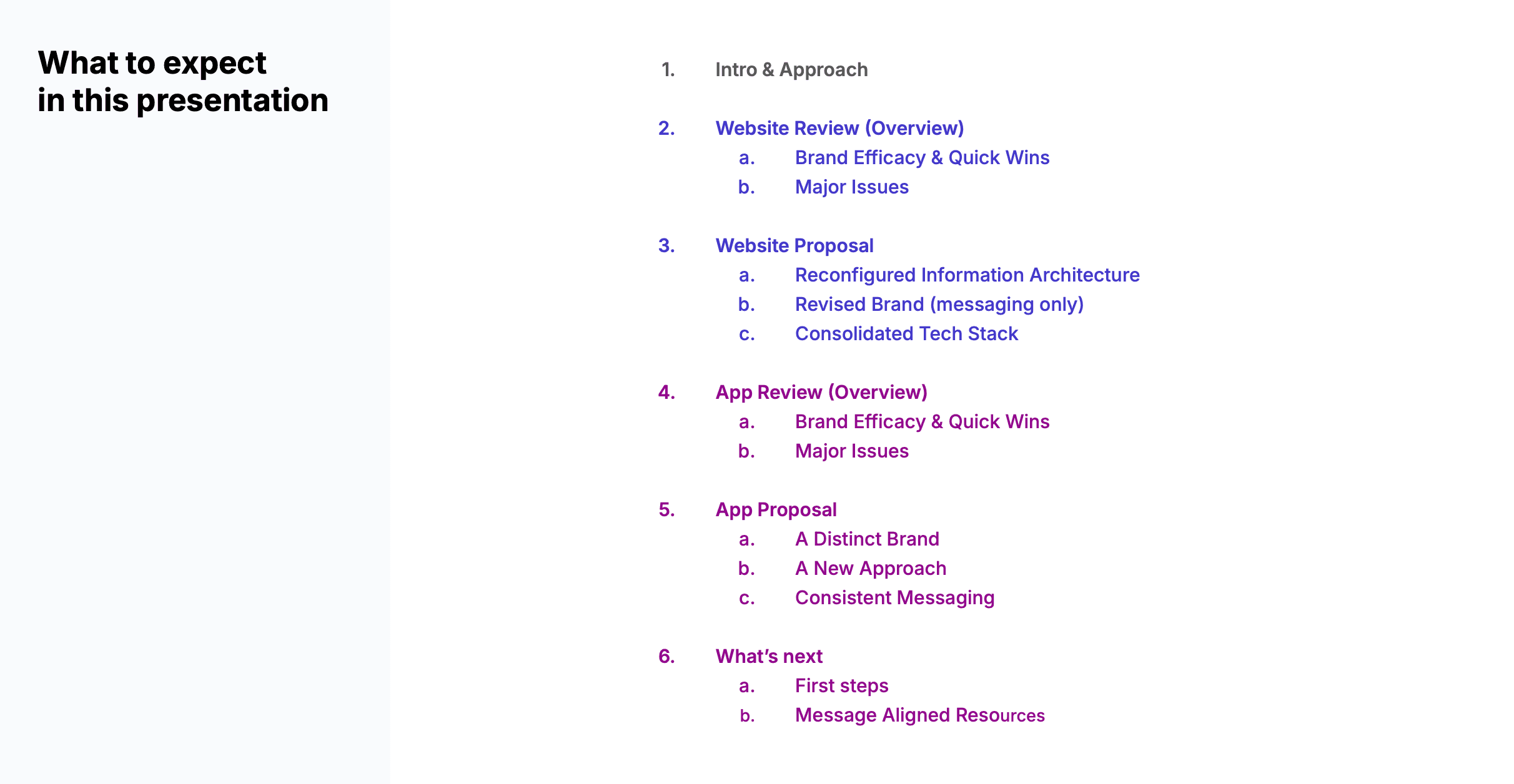
The outlined sections were referenced at the top of each slide for context.
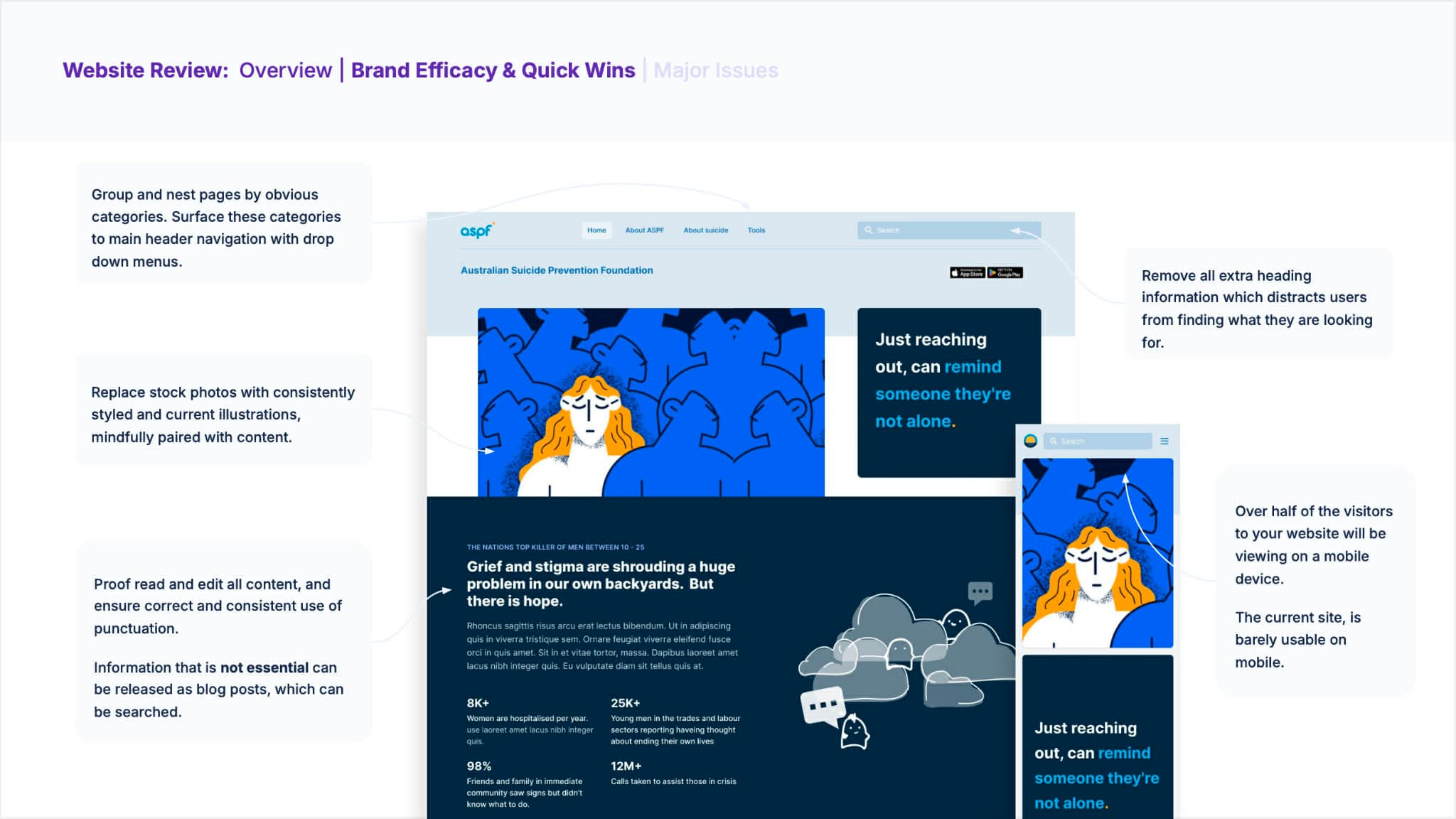
Brand Proposal
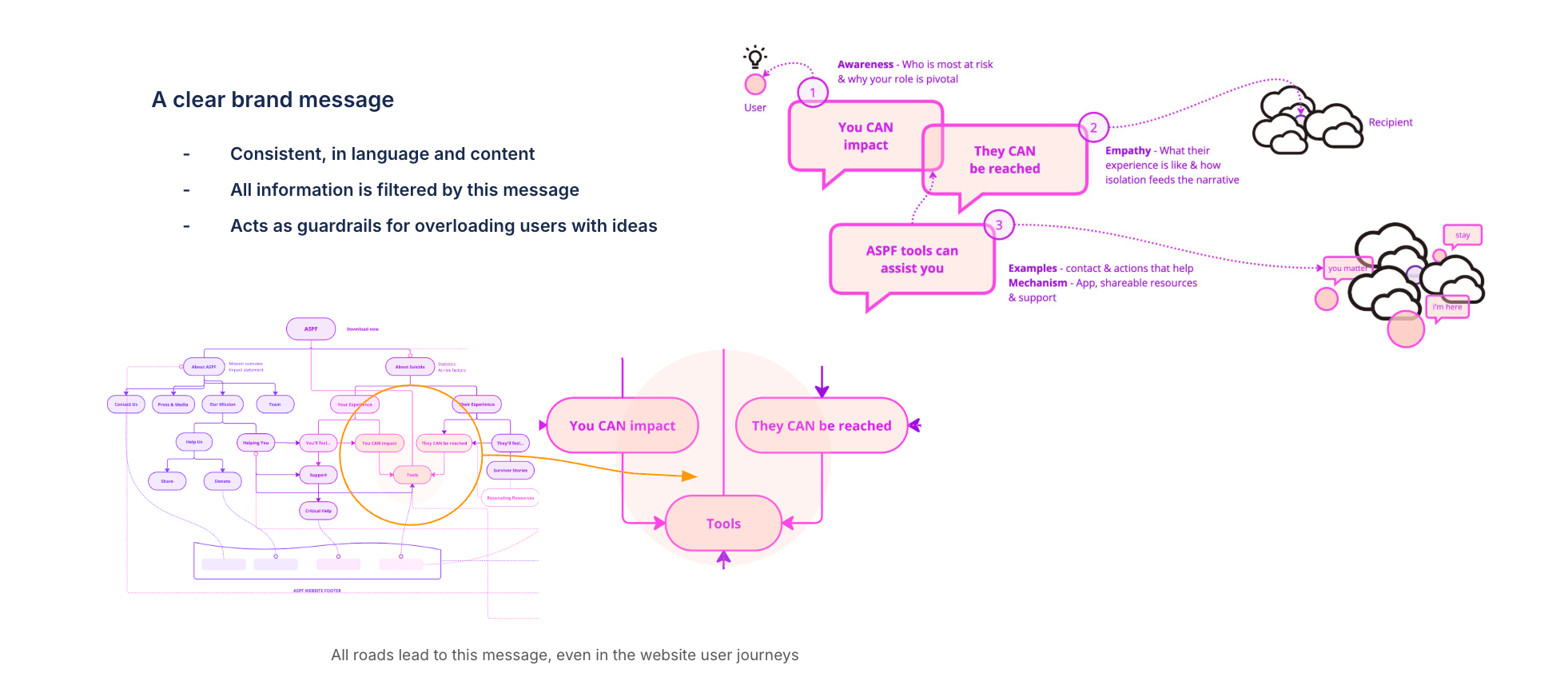
The board and team were already keenly aware of the existing brand confusion, between the foundation, the website and the mobile app. A core suggested course of action in my review and proposal was to identify the overarching purpose and message, and to use this without exception to filter content, messaging, branding and communication.
Stay
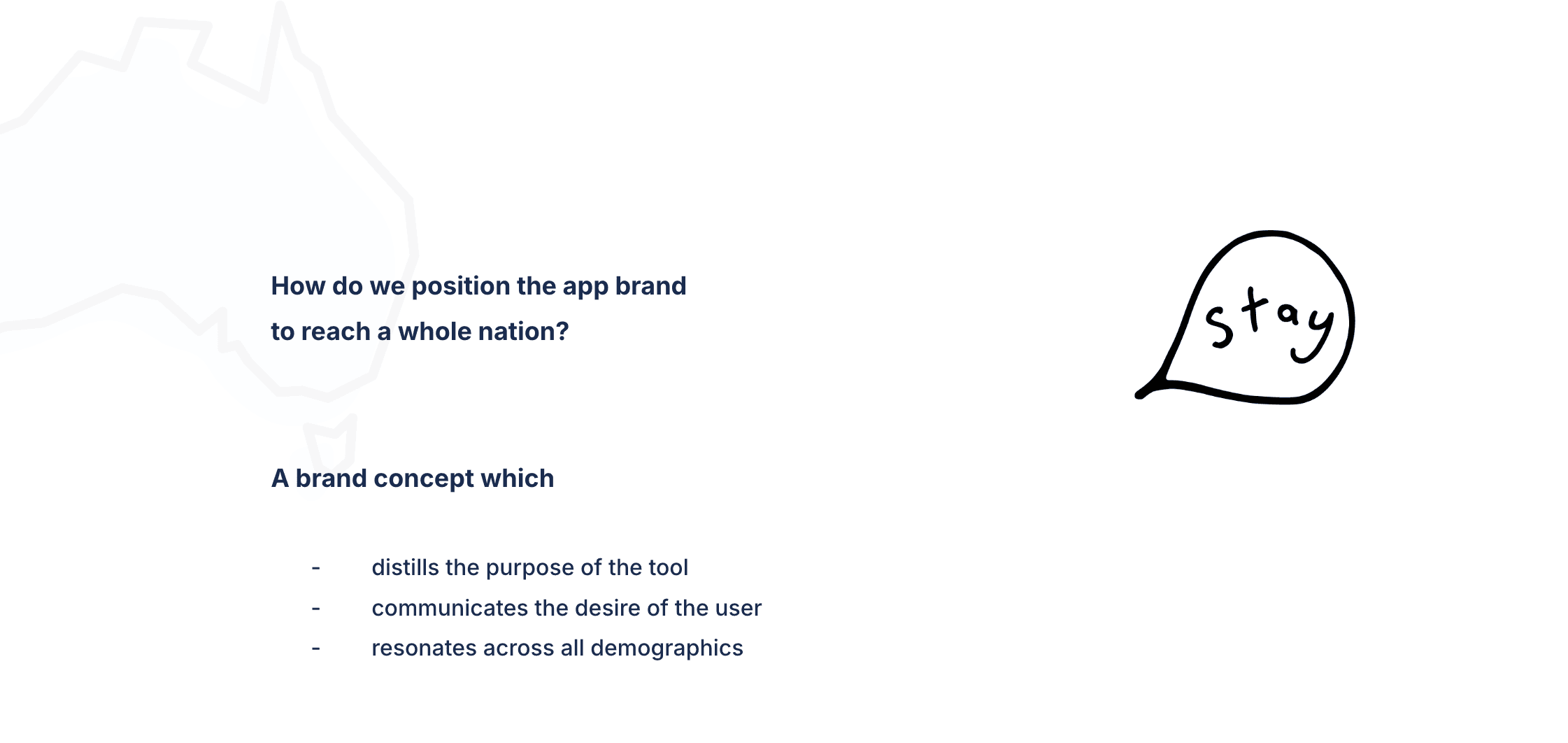
Focus groups for users of the existing technology clearly signaled that authenticity of voice was critical to uptake and impact. My resulting recommendations were focused on delivering this.
I created a brand concept which I believed would be able to reach all at risk of suicide in an impactful way, and communicated the way ASPF were seeking to engage the immediate communities of people at risk.
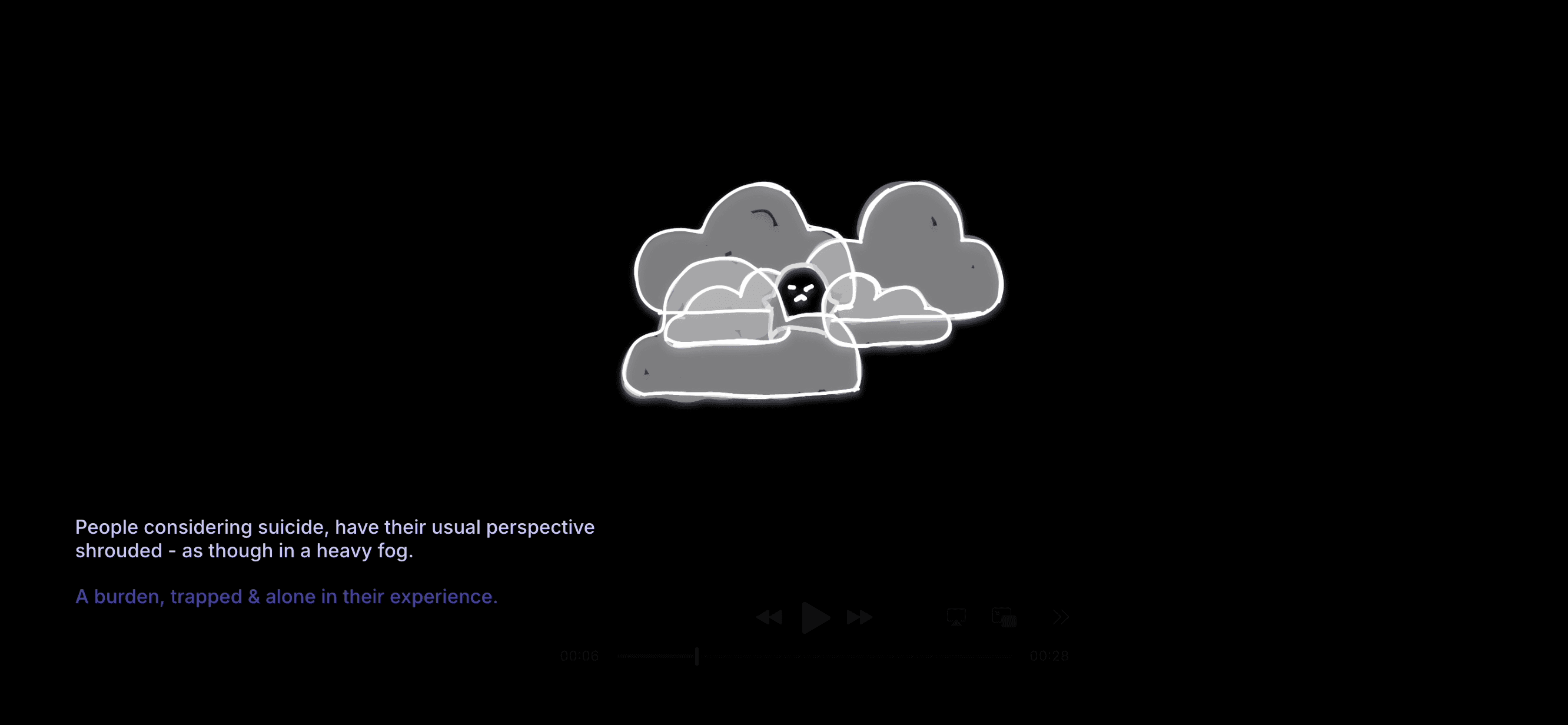
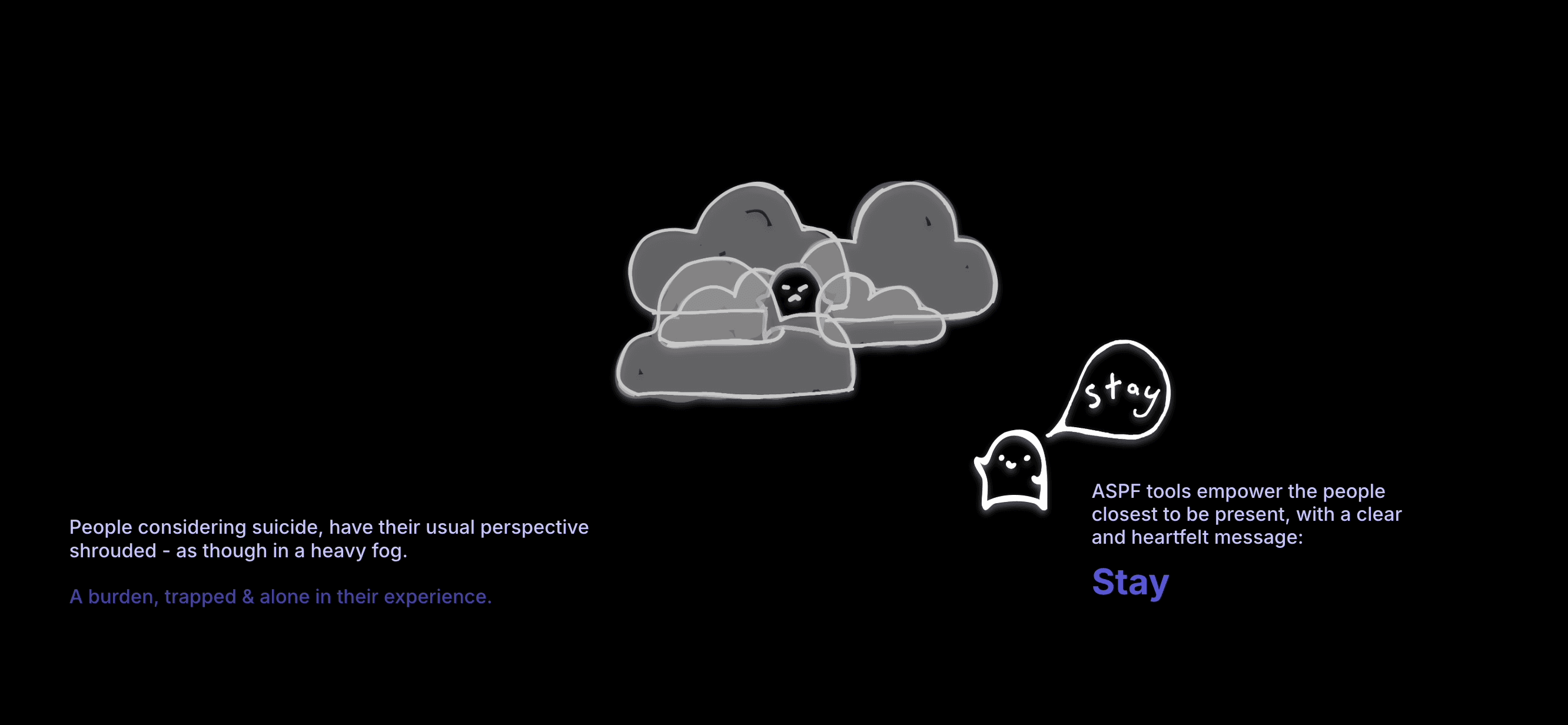
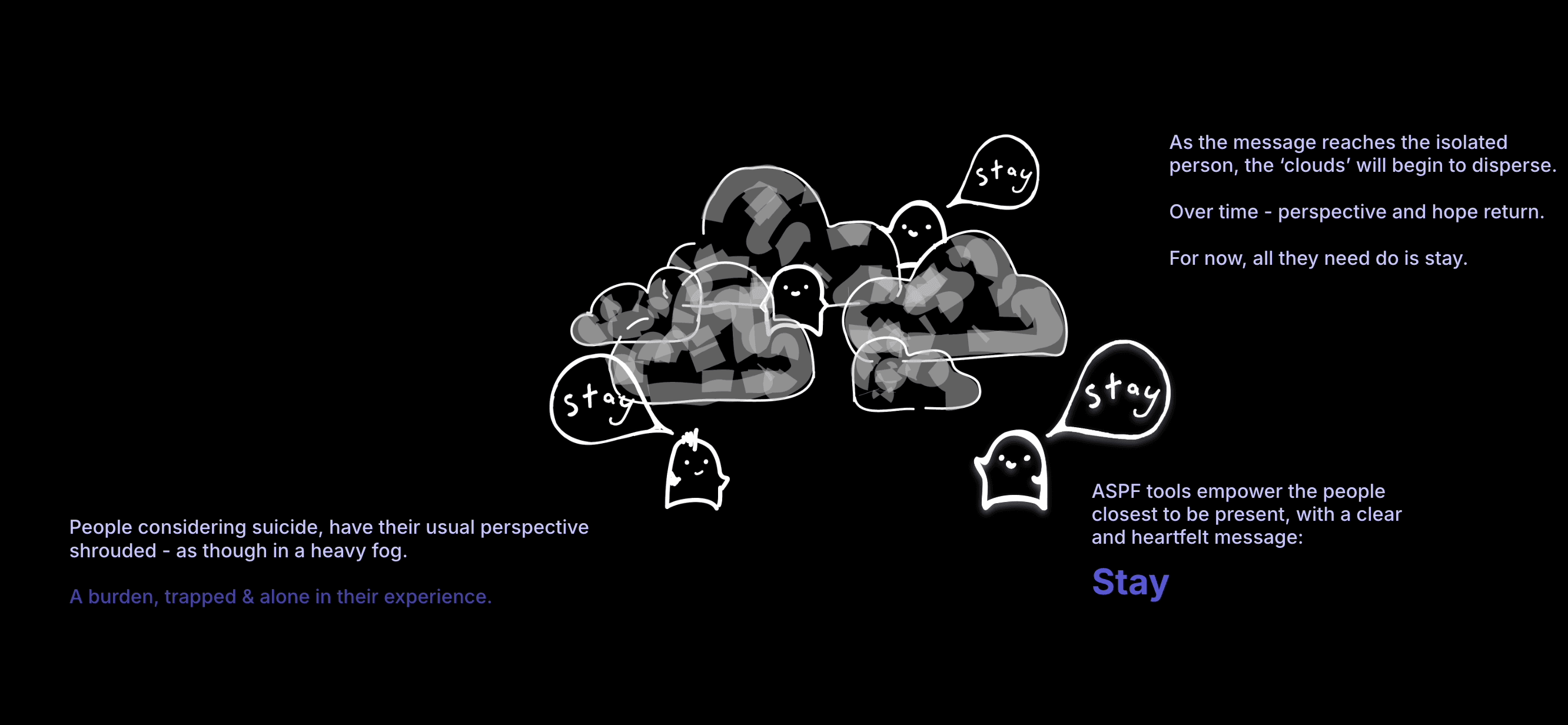
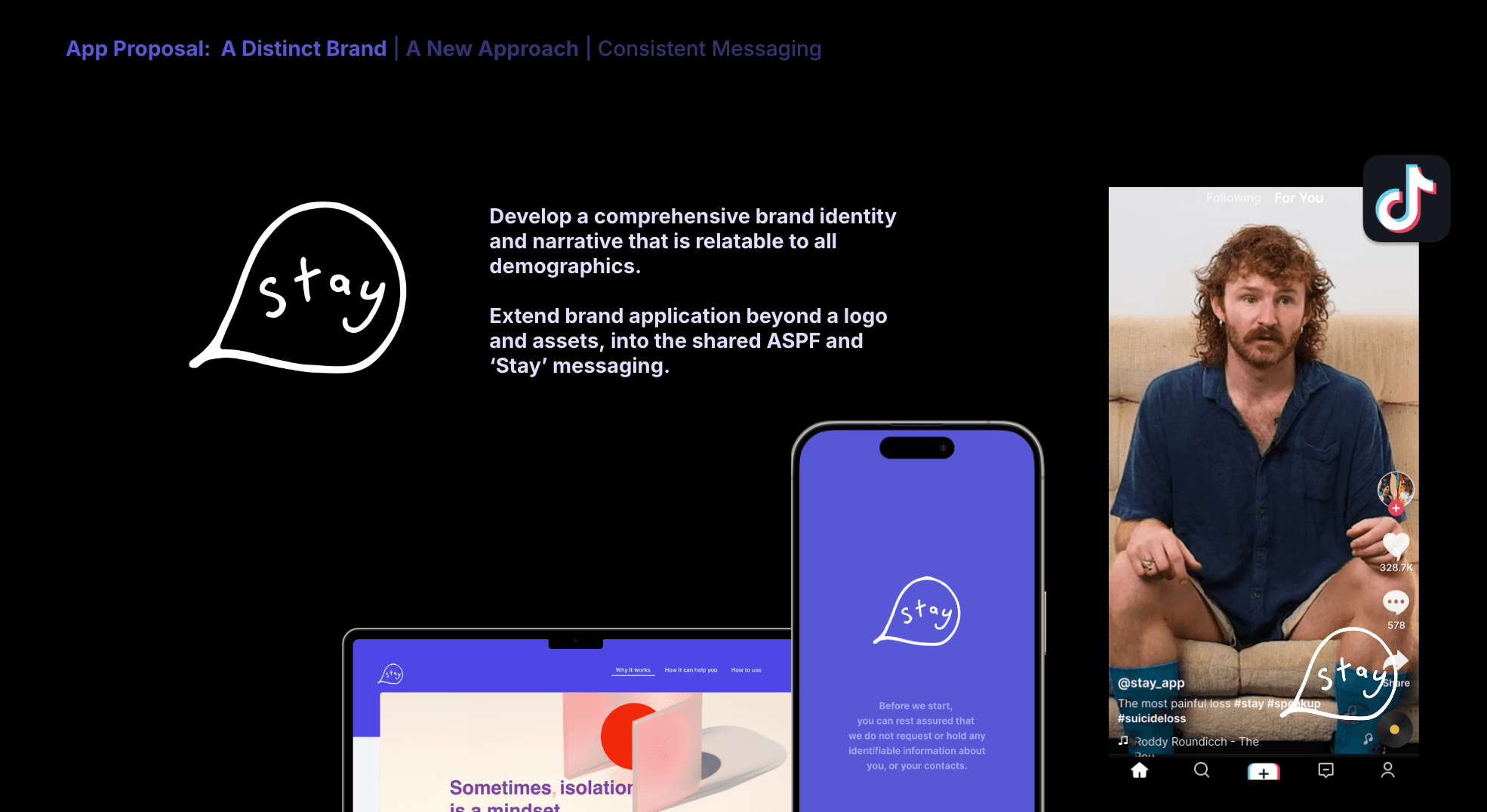
My concept for their mobile app was quite different from the current approach. Focused on assessing recipient's journey, and trusting those closest to them to be capable of composing meaningful messages when provided with prompts.
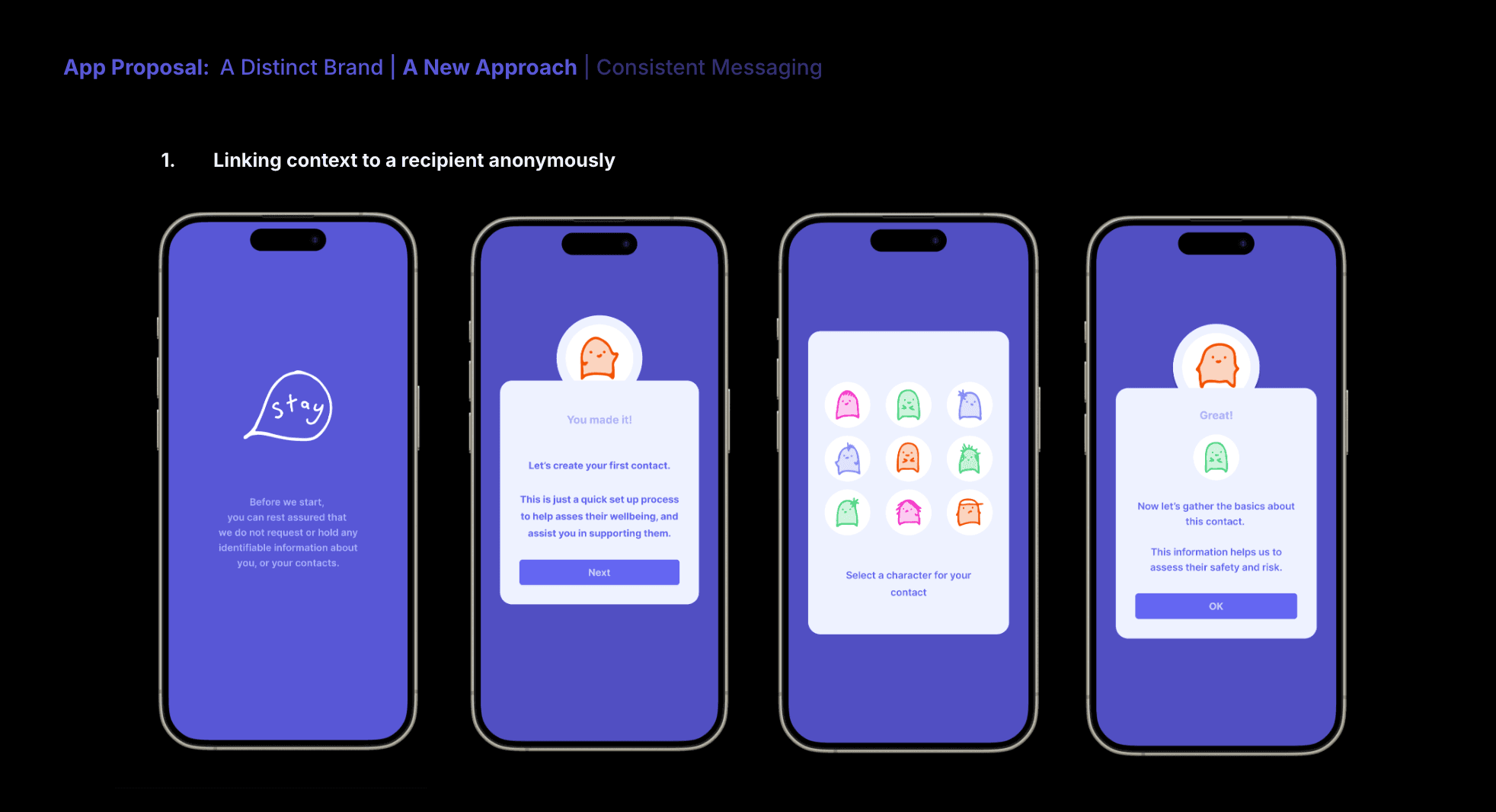
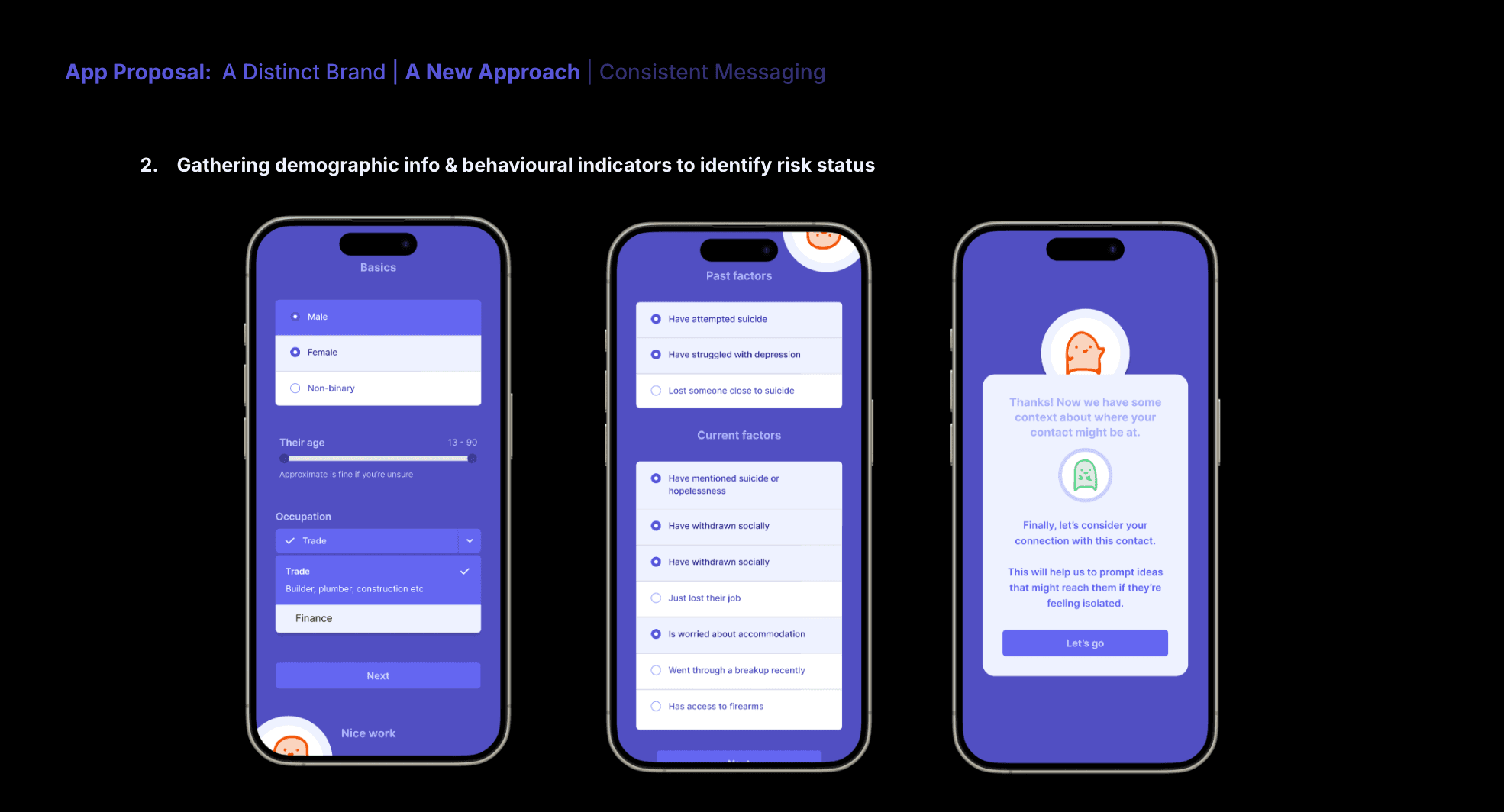
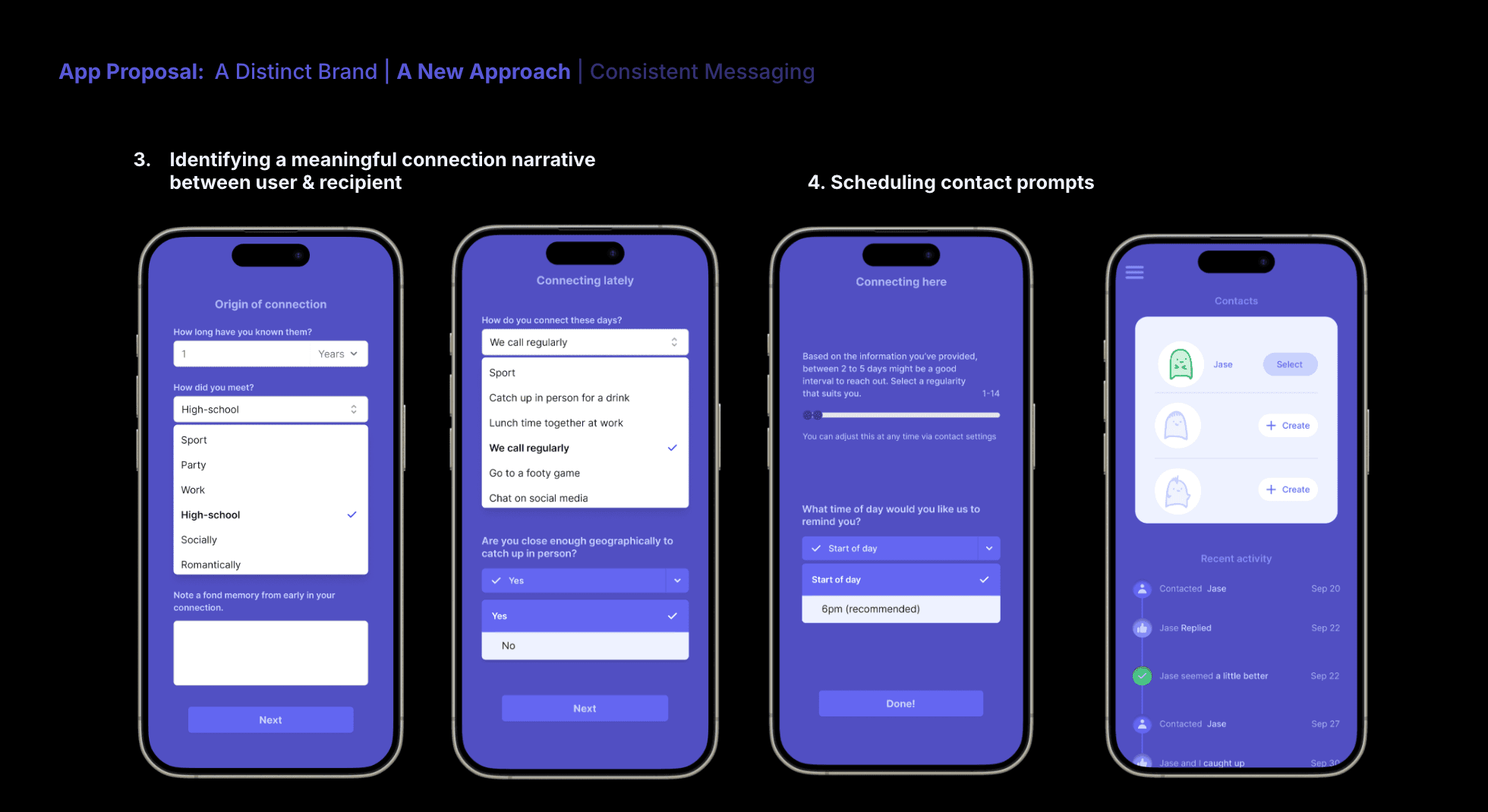
Incorporating reminders to touch base and record how the recipient seemed, created both a pattern for consistent support and a feedback loop which would enable us to measure effectiveness.
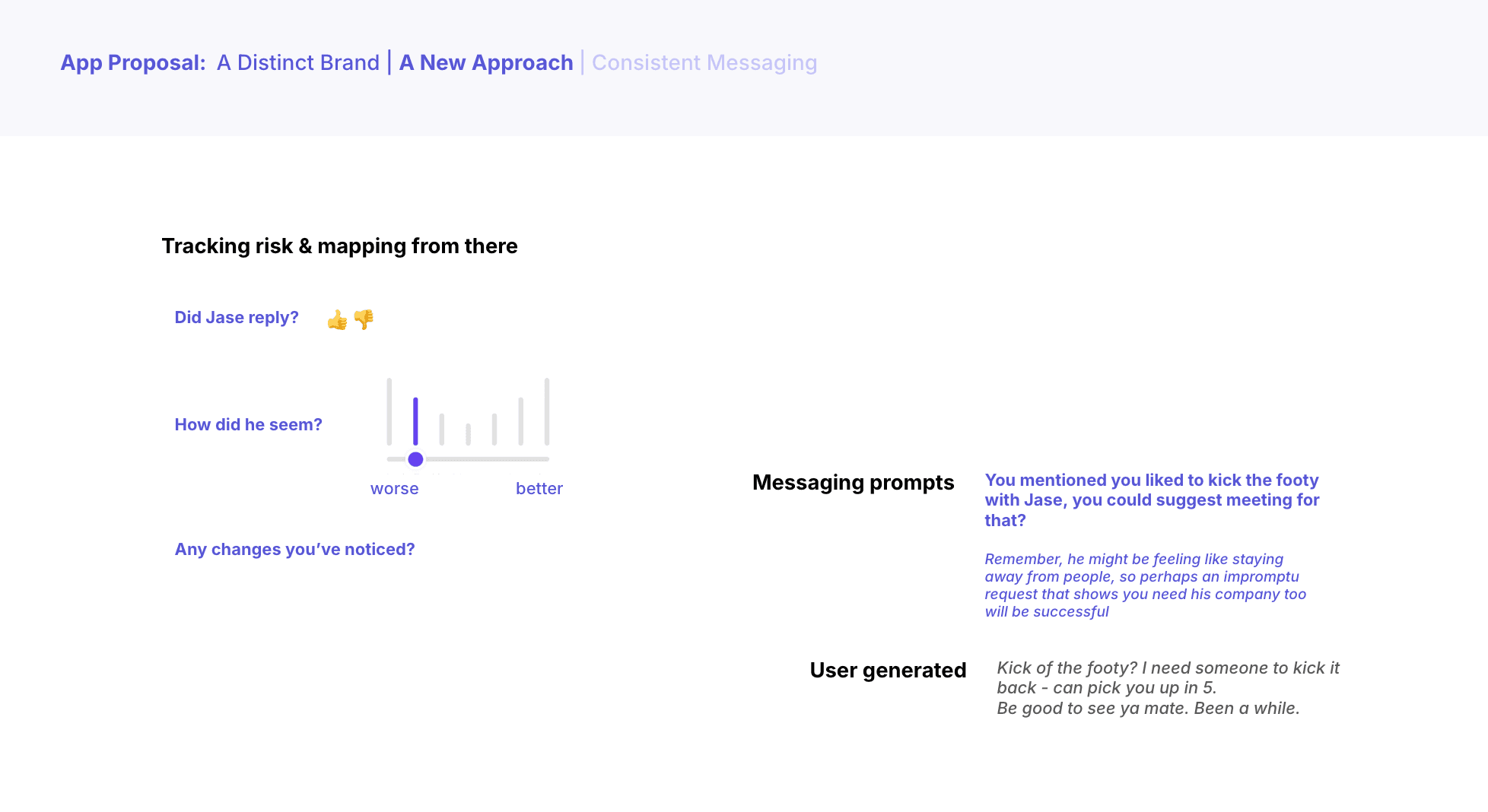
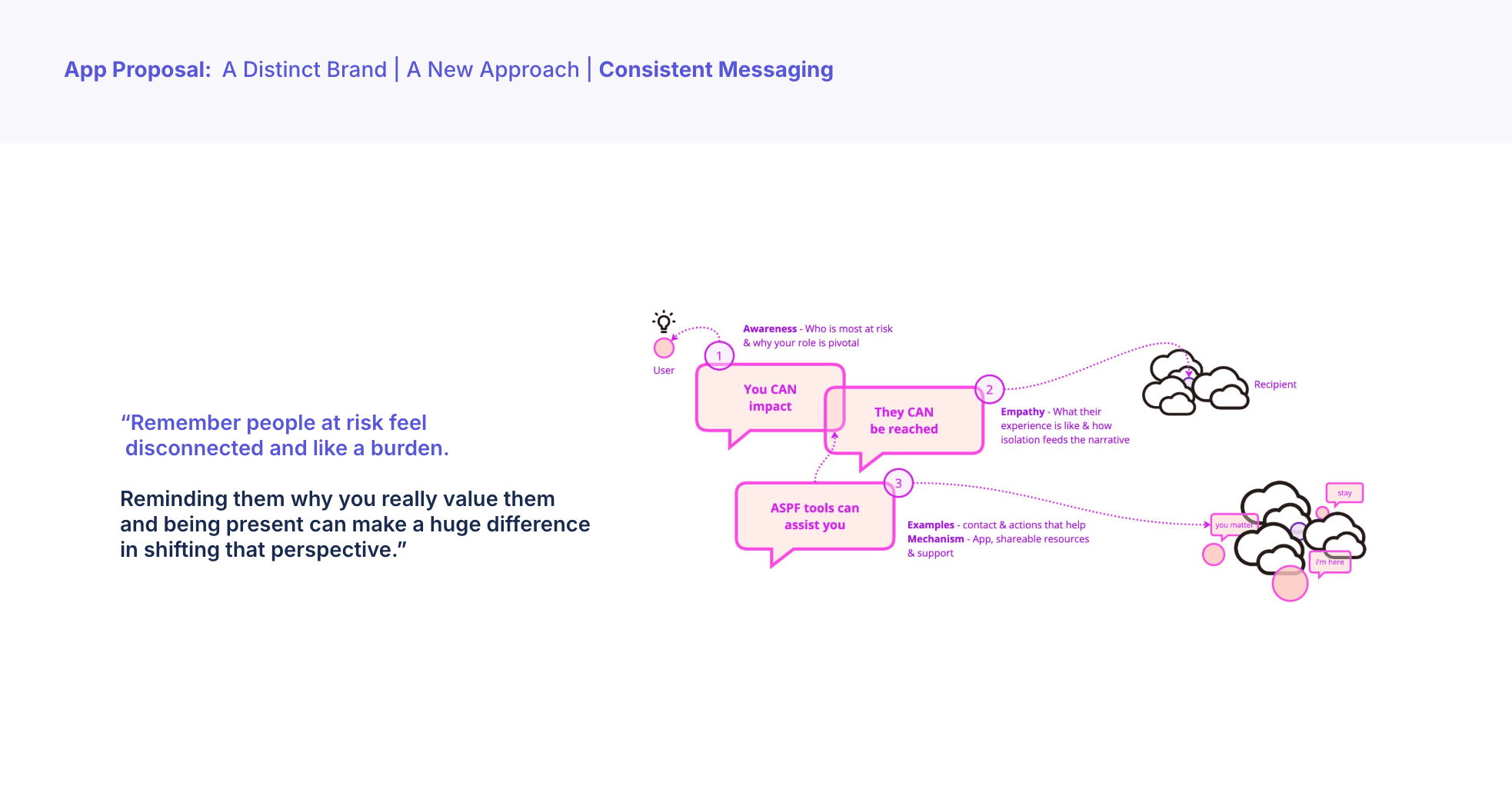
Reassuring users through voice and prompts of the core message:
- You can impact
- They can be reached
- These tools can help you
Conclusion
A lively and worthwhile question and answer time followed the presentation.
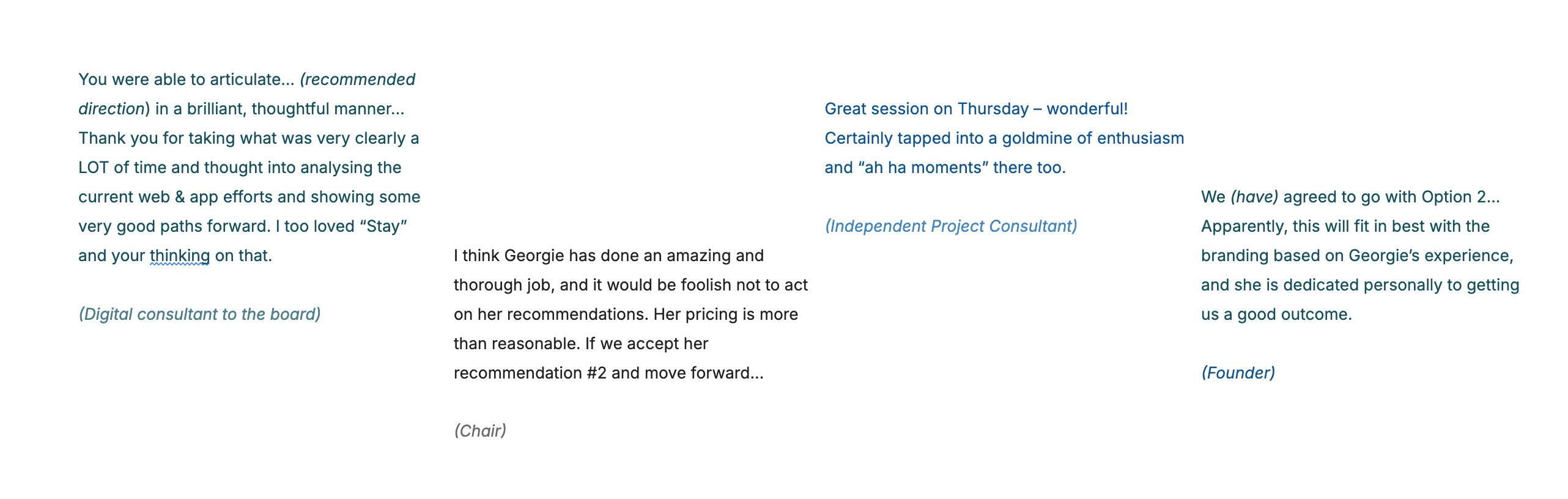
Many of the members present contacted me later that day to express their appreciation for the work, and their excitement about the future for ASPF.
The team at ASPF are an incredible collection of leading professionals with a genuine heart for the people of Australia who are at risk of suicide, and the loved ones who surround them.
This project reinforced my belief that thoughtful design can help translate complex mental-health research into practical tools that empower communities to support one another.
While the proposed roadmap was not ultimately implemented due to organisational circumstances, the work produced a clear blueprint for improving ASPF’s digital platforms and communication systems.